

Muscle starts disappearing earlier than most people realise.
It's not just about looking strong. It's about staying capable.
Most women are surprised to learn that we begin gradually losing muscle from around our 30s unless we actively work to preserve it.
The changes are slow. You probably won't notice them from one year to the next. But over decades they become one of the biggest determinants of how well we age.
Muscle is your body's retirement fund.
Think of muscle as a reserve. Every decade, we naturally withdraw a little.
If we don't continue making deposits through strength training, nutrition and physical activity, that reserve gradually shrinks. The earlier you start building it, the more you'll have when you need it most.
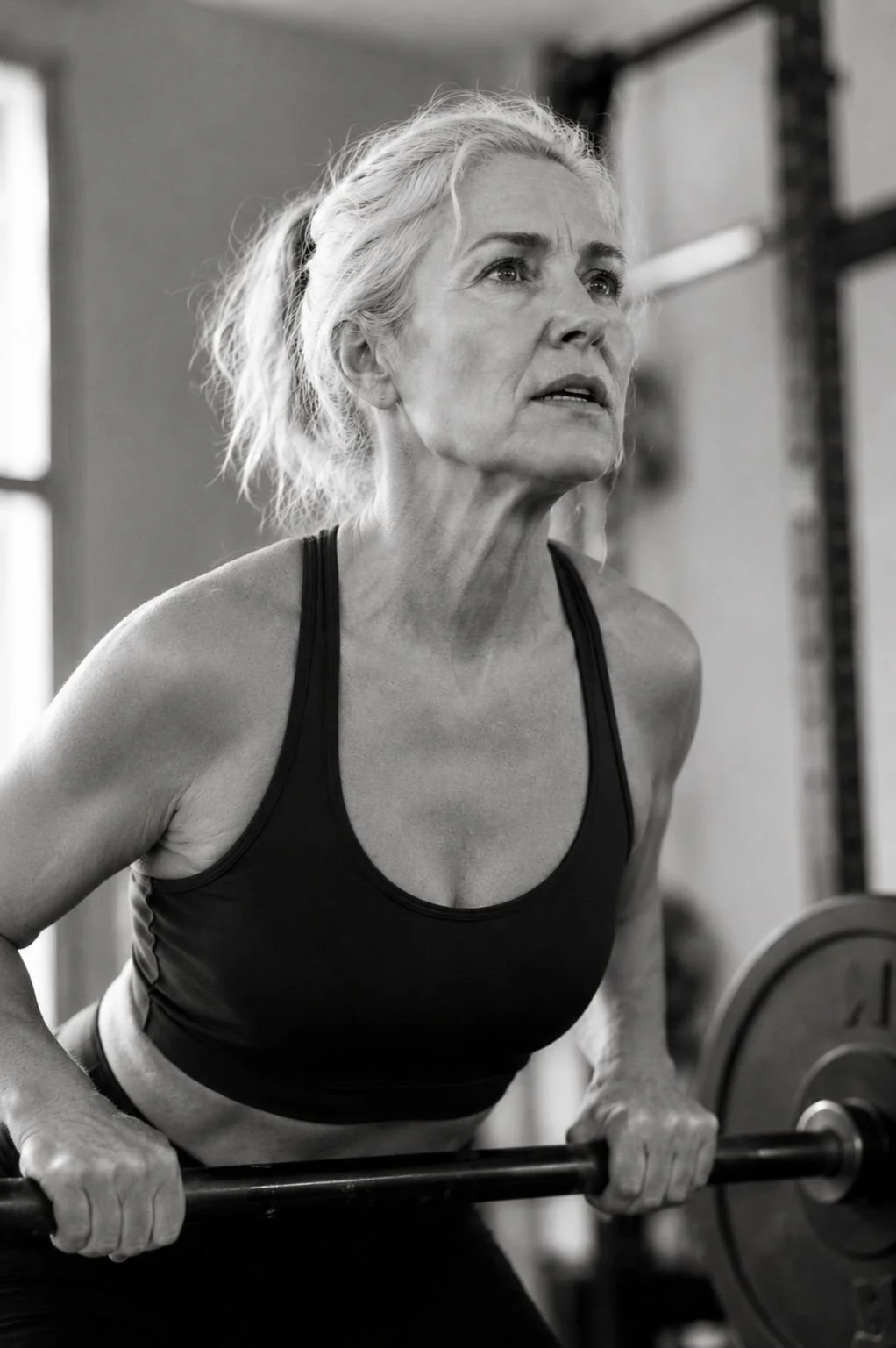
Muscle does much more than help you lift weights.
Healthy muscle helps you:
Keep your metabolism healthy
Maintain a healthy body composition
Improve blood sugar control
Protect your bones
Improve balance and reduce falls
Recover from illness or surgery
Carry luggage
Lift grandchildren
Continue travelling
Stay independent for longer
It's one of the most powerful predictors of healthy ageing.
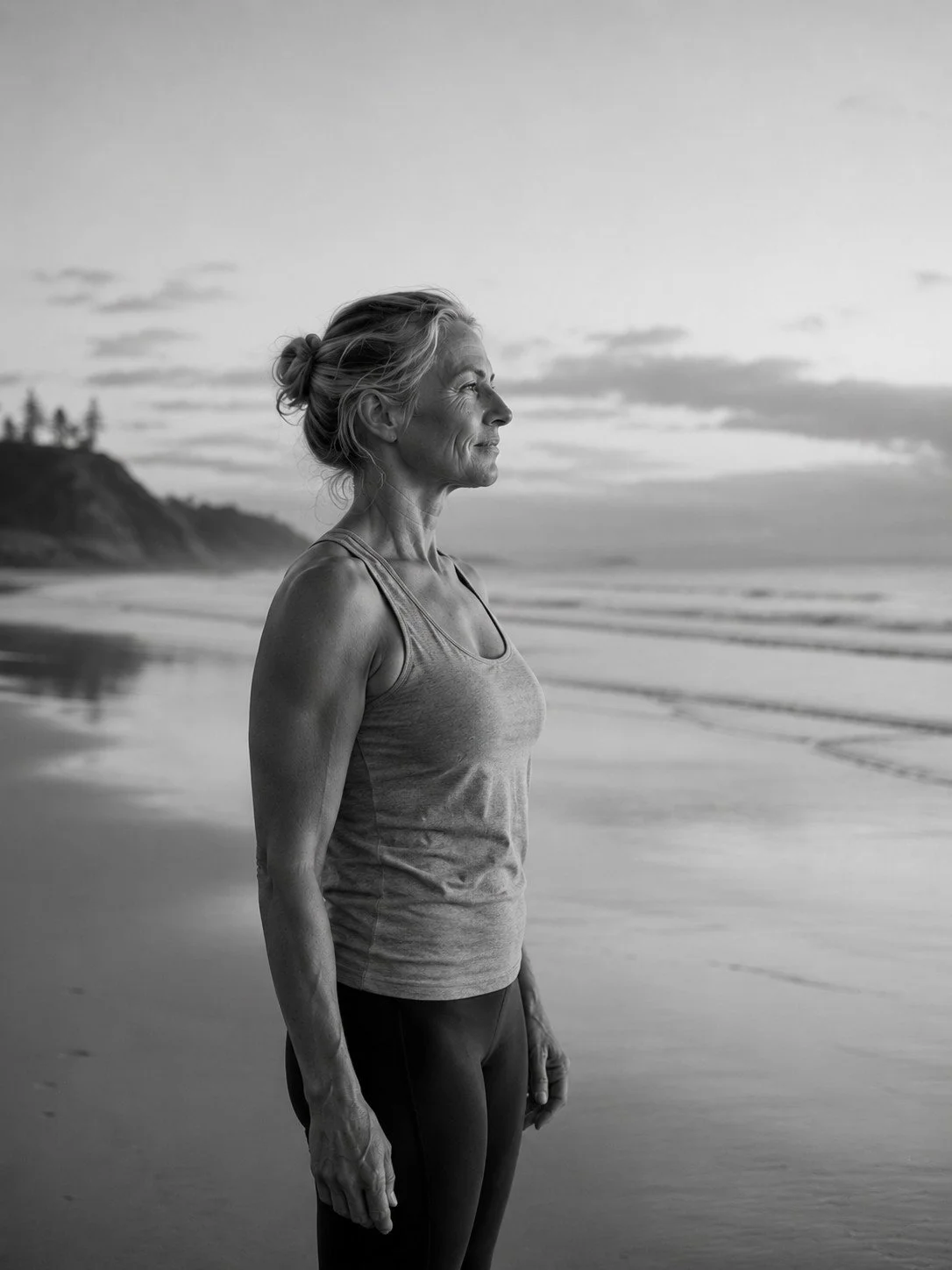
Why menopause matters
Around menopause, many women notice changes that seem to happen almost overnight:
Clothes fit differently
Strength declines
Recovery slows
Weight shifts towards the abdomen
These changes aren't simply about ageing.
Changes in hormones can accelerate the loss of muscle and increase visceral fat, making it even more important to understand what's happening inside your body.
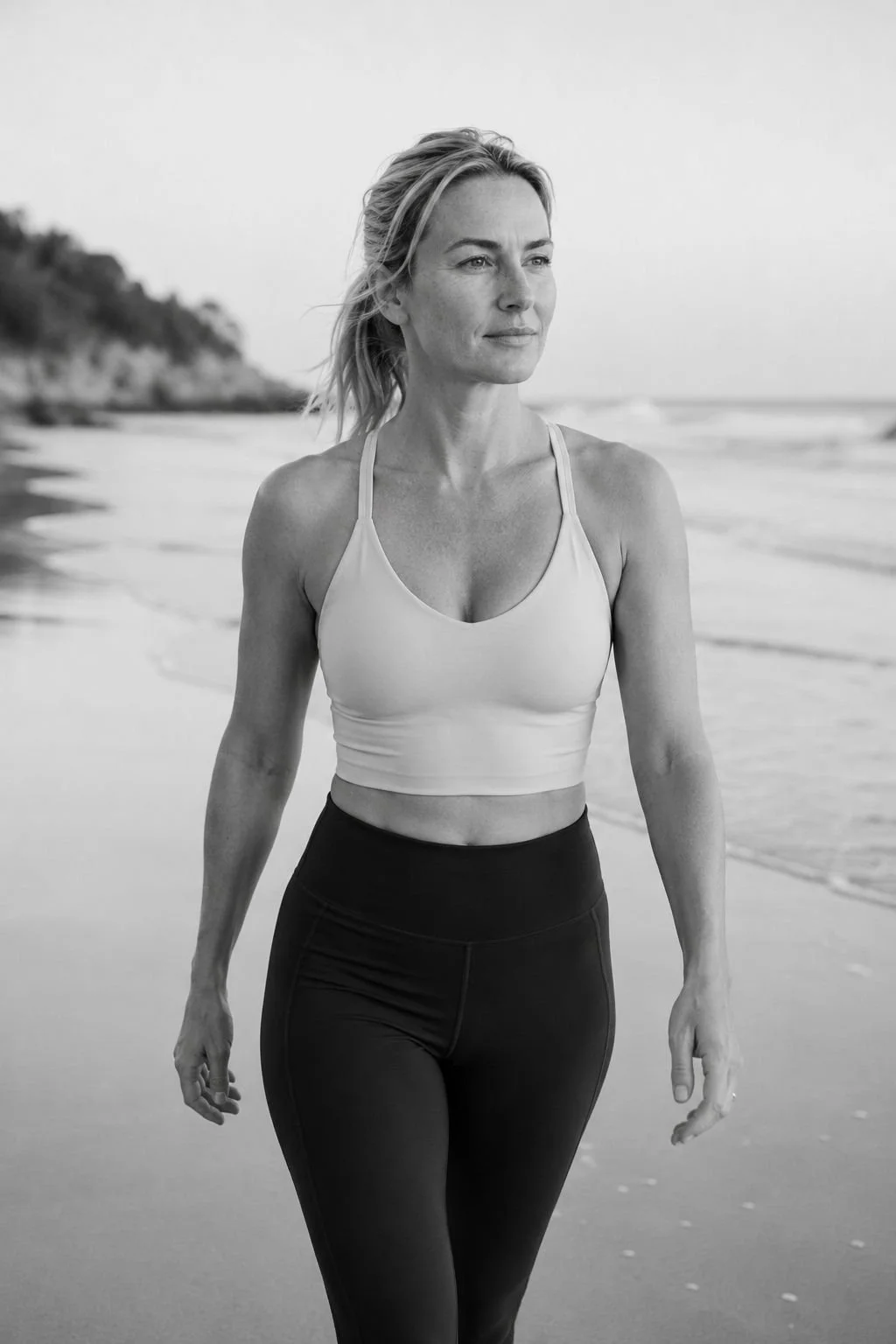
You can't always see muscle loss.
Two women can weigh exactly the same. One may have healthy muscle and very little visceral fat. The other may have significantly less muscle and more fat around the organs.
Their future health—and future capability—may be very different. A standard set of scales won't tell you the difference.
The goal isn't bigger muscles.
The goal is a bigger future.
-
![A woman lifts a young boy in the air, both smiling and laughing outdoors with an audience watching.]()
Strong enough to lift your grandchildren.
-
![A woman with shoulder-length hair in a black shirt and light-colored pants standing in a train station, holding a rolling suitcase.]()
Strong enough to carry your own luggage.
-
![Two people, a man and a woman, hiking along a coastal trail with cliffs and the ocean in the background, smiling and looking at each other.]()
Strong enough to hike the trail you've always wanted.
-
![A woman with short, curly hair entering a house through a front door, carrying multiple grocery bags filled with produce and other shopping items.]()
Strong enough to remain independent well into later life.



That's what muscle really protects.
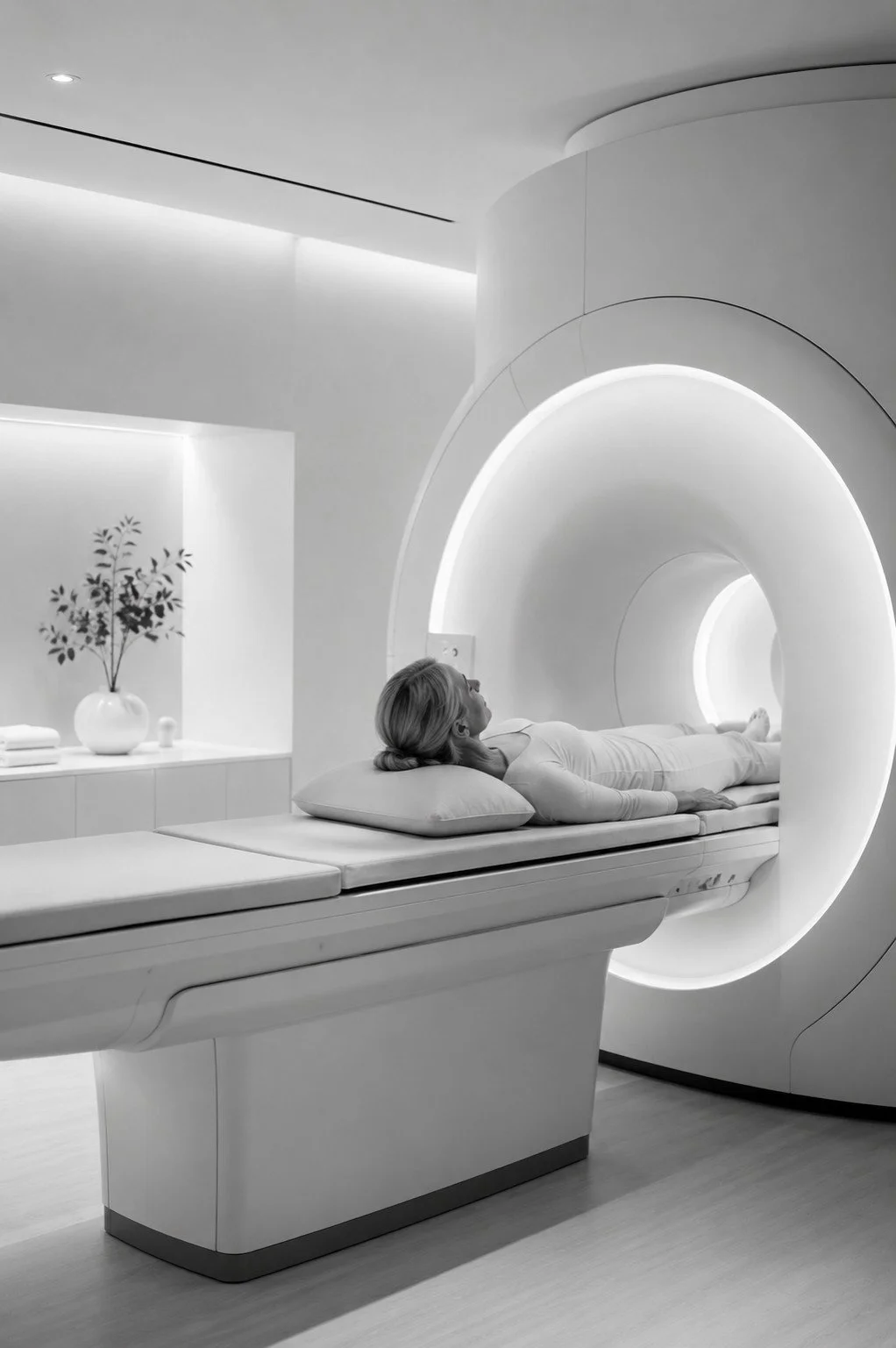
How do you know if you’re preserving muscle?
The Future Health Assessment combines body composition analysis, functional assessment and personalised risk evaluation to help you understand:
Your muscle mass and body composition
Visceral fat and metabolic health
How menopause may be influencing these changes
Your current physical capability
The greatest opportunities to preserve your future health
You'll leave with a personalised Future Health Roadmap and a clear plan for the next stage of your assessment.
Ask yourself one question.
Will your future self thank you for the muscle you're building today?
If you're not sure, now is the best time to find out.