

Some of the most important memories haven't happened yet
Your future brain starts today.
Brain health isn't something we lose overnight. It's built—or protected—over a lifetime. Many people assume that memory loss or cognitive decline is simply an inevitable part of ageing. The reality is more hopeful.
While no one can eliminate every risk, research consistently shows that many of the factors influencing long-term brain health are modifiable. The choices we make in our 40s, 50s and 60s can have a profound impact on how well our brain functions decades later.
Healthy ageing isn't just about adding years to life. It's about protecting the brain that allows you to enjoy them.

Your brain depends on more than puzzles
Crosswords and brain-training apps have their place, but they're only a small part of the picture.
Your brain relies on healthy blood vessels, regular movement, restorative sleep, good metabolic health, meaningful relationships and healthy senses.
Protecting your brain means looking after your whole body.
Blood Pressure
Your brain depends on a healthy blood supply. High blood pressure is one of the most important modifiable risk factors for cognitive decline, yet many people have no symptoms until damage has already occurred. Understanding your cardiovascular health today helps protect your brain tomorrow.
Exercise
Regular physical activity is one of the most effective ways to support long-term brain health. Exercise improves blood flow to the brain, supports the growth of new neural connections and is associated with better memory, attention and executive function. Cardiorespiratory fitness is one of the strongest predictors of healthy ageing—not just for your heart, but for your brain.
Sleep
Your brain doesn't simply rest while you sleep. Sleep is when your brain consolidates memories, clears metabolic waste products and restores the systems that support learning, mood and concentration. Poor sleep over many years is associated with reduced cognitive performance and increased long-term health risks.
Social Connection
Strong relationships do more than improve happiness. Meaningful social interaction challenges the brain, builds cognitive reserve and is consistently associated with better long-term cognitive health and wellbeing. Healthy ageing isn't just about living longer—it's about staying connected to the people and experiences that matter most.
Hearing
Hearing loss is often overlooked as part of healthy ageing. Yet untreated hearing impairment has been linked with faster cognitive decline, social isolation and reduced quality of life. Protecting your hearing—and treating hearing loss when it occurs—is an important part of protecting your future brain.
Metabolic Health
Your brain is one of the most metabolically active organs in your body. Healthy blood sugar regulation, insulin sensitivity, body composition and cardiovascular health all influence how well your brain functions over time. Looking after your metabolic health is one of the most important investments you can make in your future cognitive wellbeing.
Brain health is about preserving possibility.
-
![A black and white photograph of four people having a business meeting in an office. A woman with curly hair appears to be leading the discussion, speaking and gesturing with her hand, while the others listen.]()
It's remembering names and conversations.
-
![A woman smiling and working on a pottery wheel in a pottery class, with other students in the background.]()
Learning new skills.
-
![A middle-aged woman with shoulder-length hair, wearing a black shirt and light-colored pants, walking through a train station while pulling a rolling suitcase.]()
Travelling with confidence.
-
![A middle-aged woman sitting at a wooden table, reading a document, with a coffee mug, notebook, and phone on the table, in a kitchen with a window and potted plant in the background.]()
Making good decisions.
-
![An elderly woman and a young boy sitting together on a sofa, reading books, in a cozy room with a bookshelf and window in the background.]()
Enjoying books.
-
![Two people, an older man and a woman, hiking along a coastal trail with cliffs and the ocean in the background, smiling and looking at each other.]()
Having meaningful conversations.
-
![A man carrying a young girl on his shoulder walking along a park path with trees on either side, a woman in the distance approaching with open arms.]()
Recognising the people you love.






The goal isn't simply avoiding disease.
It's protecting the brain that allows you to continue living a rich, independent and connected life.
What does a healthy brain need?
-

Healthy blood vessels
-

Regular movement
-
Restorative sleep
-

Metabolic health
-

Healthy hearing
-

Social connection
Understanding your future brain starts with understanding your current health.
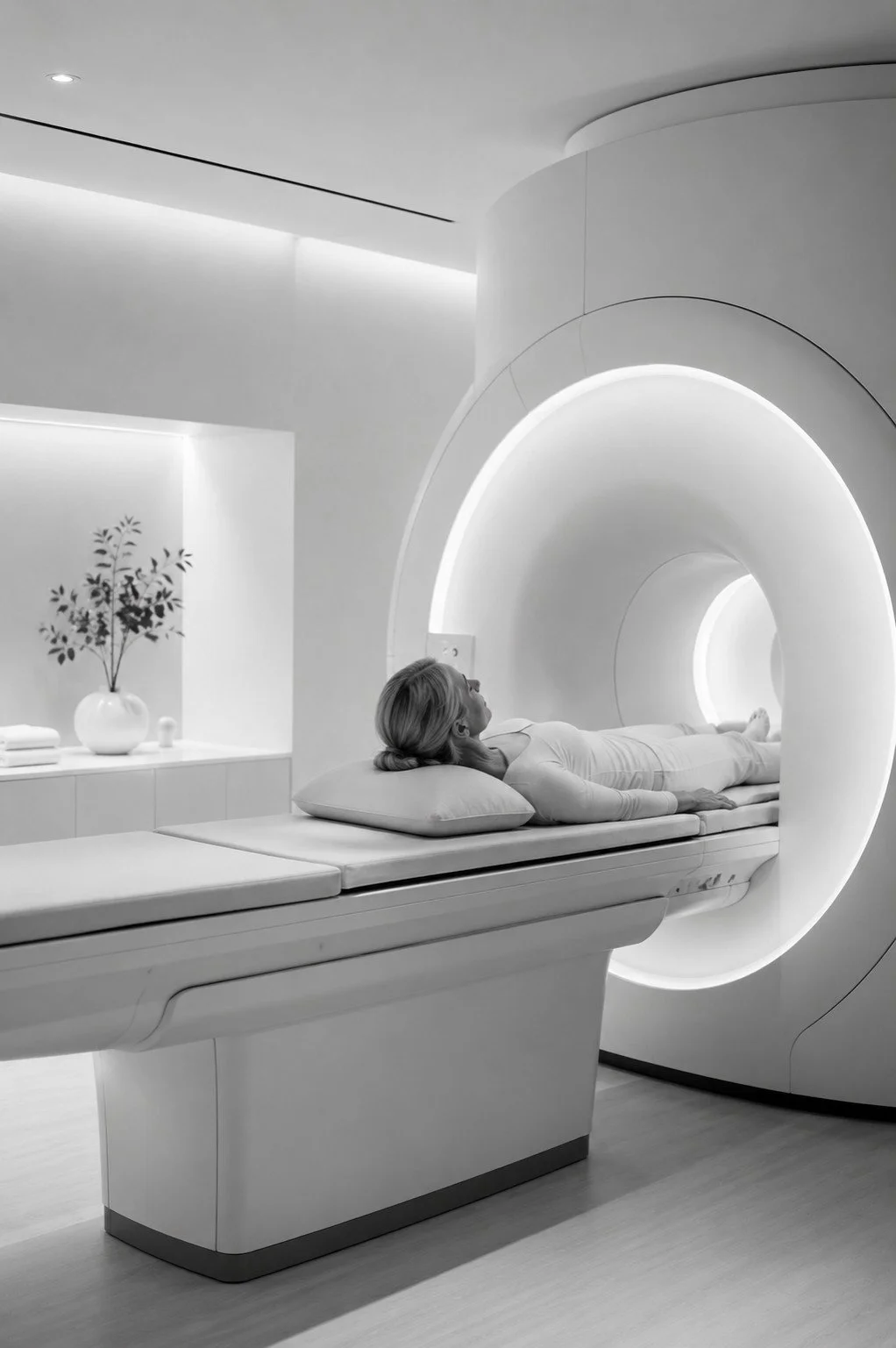
The Future Health Assessment brings together body composition, lifestyle assessment, cardiovascular risk, metabolic health and personalised risk evaluation to identify the factors that matter most for your long-term brain health.
Your assessment includes:
Comprehensive pre-assessment health questionnaires
DEXA body composition assessment
InBody body composition analysis
Extended consultation with Dr Kate Brunsdon
Personalised Future Health Roadmap
Recommended baseline investigations
Additional investigations where appropriate
A clear plan for the next stage of your assessment

The question isn't simply:
"Will I avoid dementia?"
A better question is: Will my brain still allow me to live the life I want?
If that's a future worth investing in, we'd love to help you understand where you are today—and what you can do to protect tomorrow.